The release of the new Dietary Guidelines for Americans has prompted a lot of headlines. Many people are left with the bottom-line question: What, if anything, should I do differently?
It’s important to recognize that the new guidelines don’t point to new studies or a new scientific consensus of health-promoting diets. Rather, they’re largely a serving of prior knowledge, with a sprinkling of a few interesting additions, and one popular ingredient that’s given only passing mention. Let’s unpack the recipe.
Points of Prior Knowledge:
The new guidelines emphasize several key points that align with existing knowledge:

The health risks of highly processed foods: This concern is certainly warranted. These products—such as packaged snacks and sugar-sweetened drinks—are loaded with refined carbs, salt, extra sugar, and unrecognizable additives—all factors that are closely linked to excess weight and a host of chronic diseases.
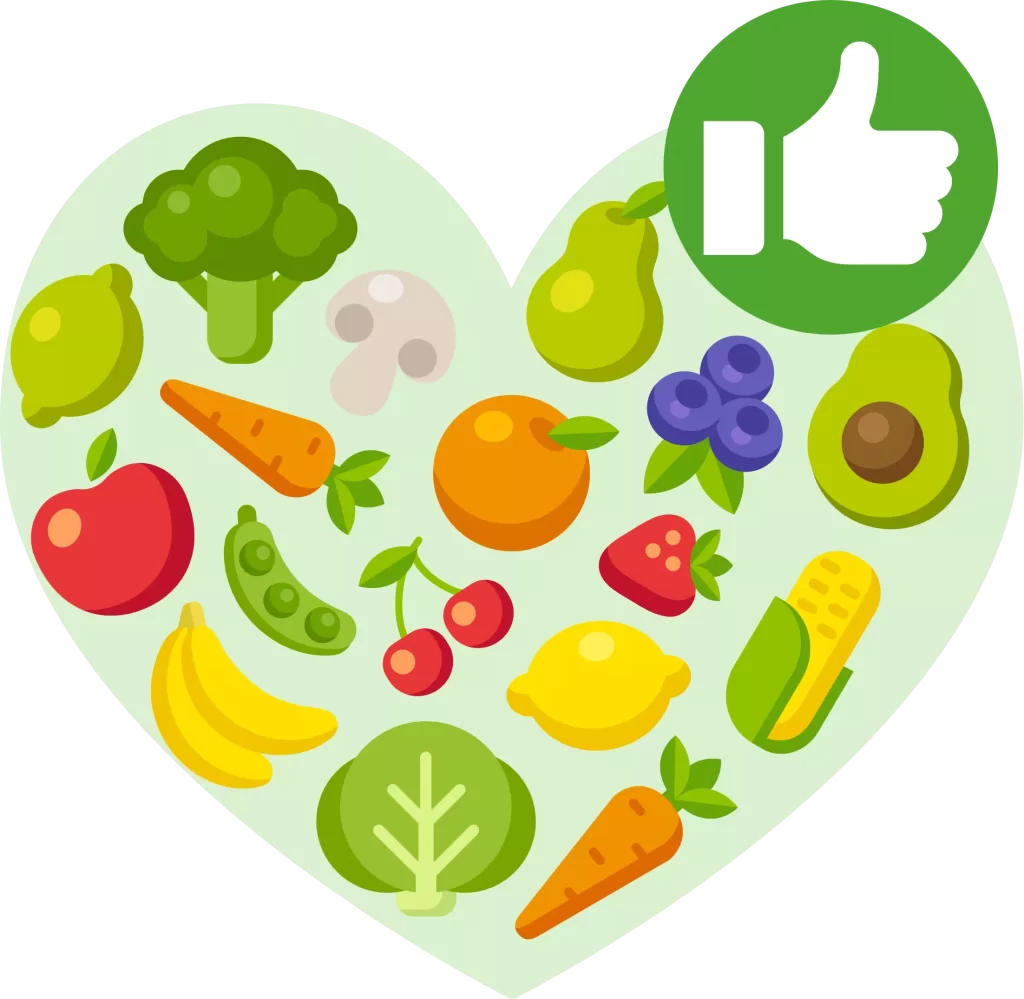
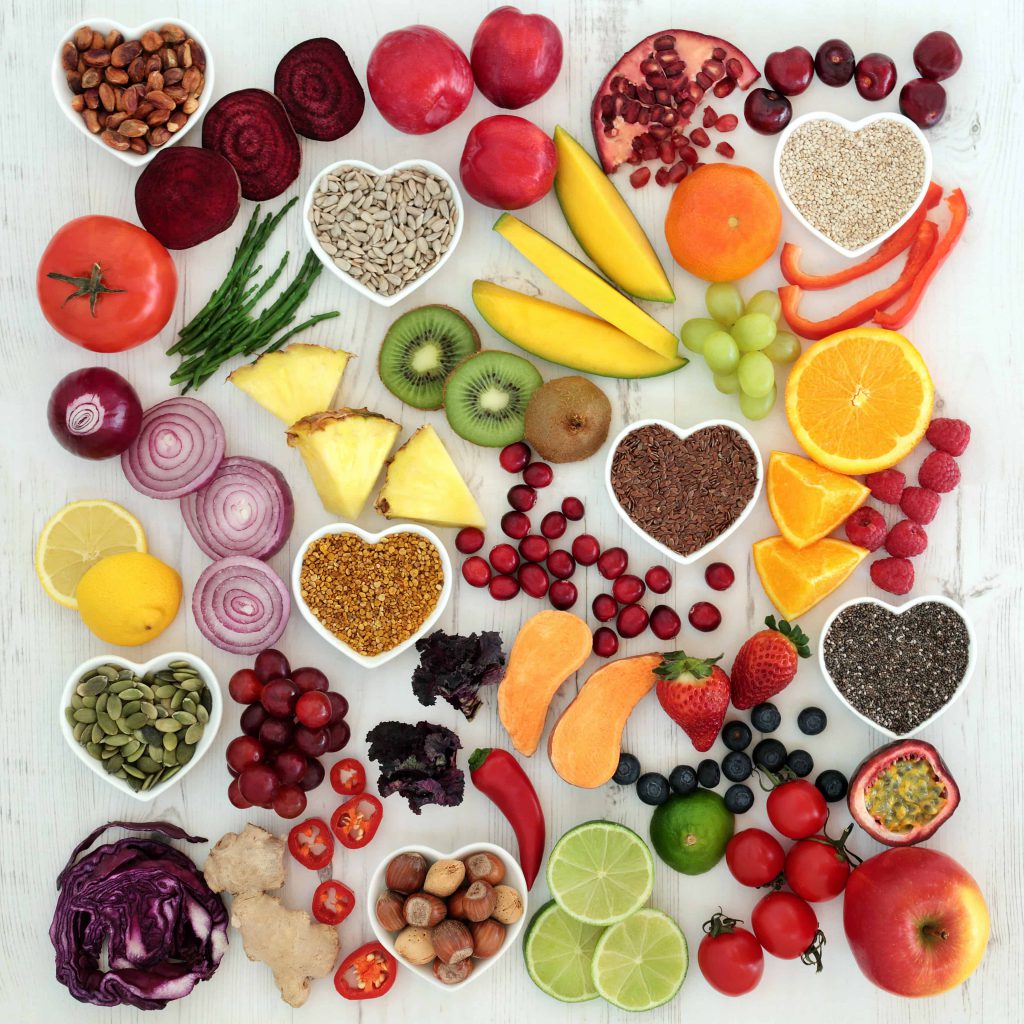
The importance of loading up on fruit and vegetables: This one’s never going to make the headlines because it’s not new or flashy, but it remains a major health issue. Fewer than 10% of children and teens eat recommended amounts—even though the health benefits of eating more vegetables and fruit are well established.

Concern about saturated fat: Although the new inverted pyramid symbol, top-heavy with meat, might suggest otherwise, the written recommendations clearly maintain that saturated fat should still be limited, adhering to the same threshold as the previous guidelines.

Importance of gut health: The new guidelines appropriately underscore the need to nourish the trillions of microbial helpers in the gut by consuming a diet rich in fiber, found naturally in vegetables, fruit, whole grains, and nuts.
Interesting Additions:
The most questionable recommendation in the new guidelines is to consume more protein—up to twice as much as what was previously recommended. That’s a lot of protein, especially considering there’s no scientific consensus to support that higher amount for the general population.
Protein needs vary among individuals, with more needed by specific groups—including seniors (among whom muscle loss is a common challenge), serious weightlifters, and patients recovering from surgery and certain therapies.
Although sufficient dietary protein is important for all of us, it is not among the most pressing U.S. dietary concerns, and the emphasis given to this topic seems unnecessary.
Even more concerning, though, is the lack of distinction in health attributes between plant and animal sources of protein. The inverted pyramid depicting the new guidelines features meat prominently at the top, implying that it’s a superior protein source, and every mention of protein in the written guidelines lists animal sources first. This appears to be a nudge in the wrong direction.
There is little question that, for most of us, shifting toward more plant sources of protein is desirable. That shift absolutely does not have to be all-or-nothing, but certainly we don’t need a push to eat more meat.
Although some are under the false impression that plant sources of protein are “weak” or low-quality, that’s just not the case. Not only are plant sources of protein high-quality, they’re plentiful in many readily available foods—like beans, tofu, whole grains, and nuts—foods that don’t have cholesterol or large amounts of saturated fat. And for people who eat animal protein, foods like Greek yogurt and fish are much healthier sources than red meat.
Only a Passing Mention of Alcohol:

The new recommendation to “Consume less alcohol for better overall health” begs the question: less than what? In recent years, the link between alcohol and many cancers has become increasingly apparent, even with less alcohol than the previous guideline’s upper limit of two drinks per day for men and one per day for women.
It’s important the point be made more explicitly, that there is no reason to drink alcohol for presumed health benefits, as risks are apparent even with low intake.
The Bottom Line:
The best take-away is stated in page 1 of the new guidelines: “The message is simple: eat real food.”
To that I would add, quoting from the author Michael Pollan, “Not too much. Mostly plants.” Same as always.